About Precipitated Silica
Precipitated silica is commonly used in agriculture as a soil conditioner, a plant growth enhancer, and a pesticide carrier. As a soil conditioner, precipitated silica can improve the water retention and nutrient holding capacity of soils, leading to improved plant growth and crop yields. It can also enhance soil structure and reduce soil compaction, which can improve root penetration and nutrient uptake by plants.
As a plant growth enhancer, precipitated silica can stimulate the growth and development of plants by improving photosynthesis, increasing chlorophyll content, and enhancing the plant's resistance to stressors such as drought, heat, and disease.
In addition, precipitated silica can be used as a carrier for pesticides, herbicides, and other agricultural chemicals. The high surface area and porosity of precipitated silica make it an effective carrier, allowing for the controlled release of the active ingredients and improving the efficacy of the chemical treatments.
Overall, precipitated silica is a versatile material that can provide a range of benefits to the agriculture industry, from improving soil health to enhancing plant growth and protecting crops from pests and diseases.
Versatile Material for Industrial ApplicationsPrecipitated silica is widely recognized for its functionality in industries such as paints, coatings, and chemicals. Acting as both a reinforcing filler and a thickening agent, it enhances product durability and consistency. Its high oil and water absorption makes it suitable for improving product stability, while its fine particle size ensures smooth blends and uniform distribution.
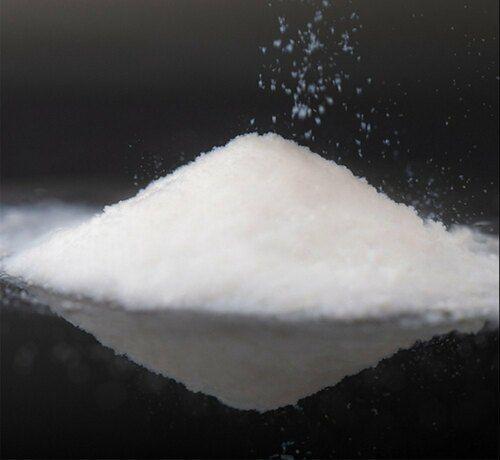
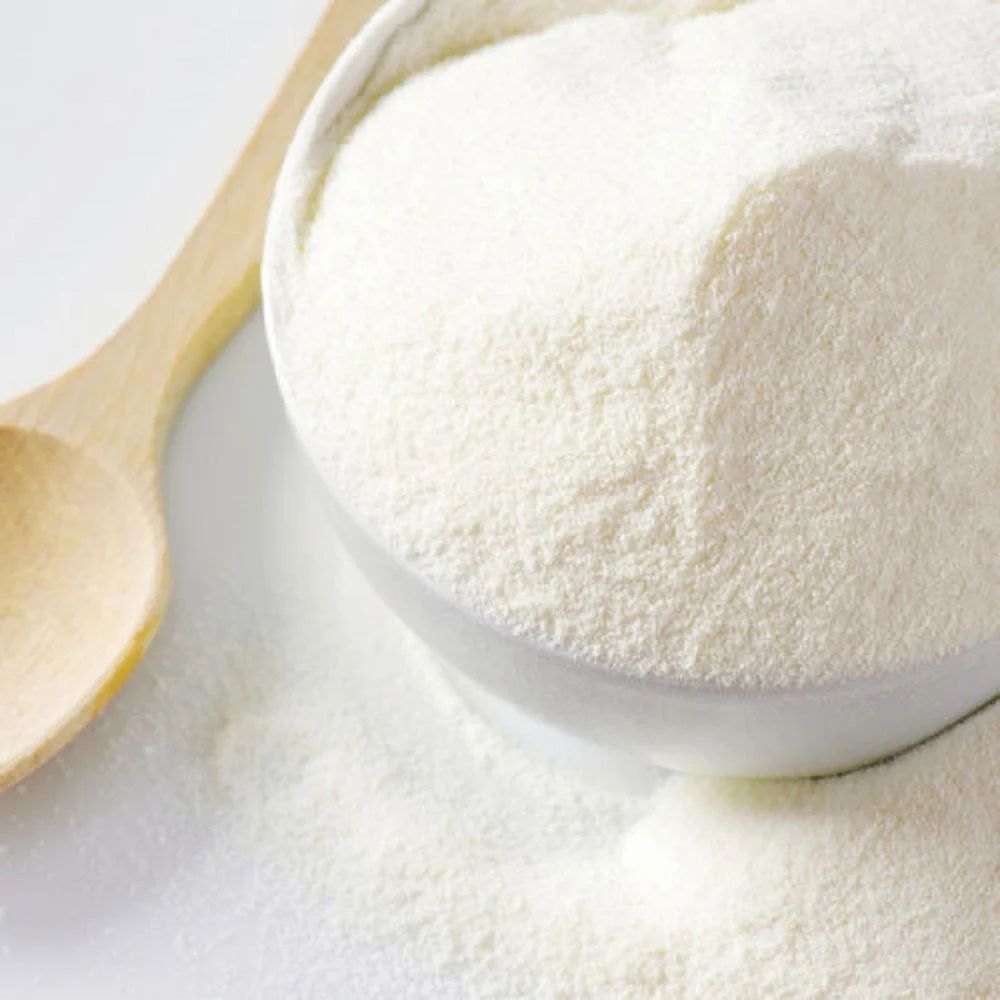
Superior Physical PropertiesWith a refractive index of 1.46 and hardness on the Mohs scale of 6-7, precipitated silica maintains excellent structural integrity. Its high porosity, low bulk density, and fine powder form make it ideal for applications demanding lightweight yet robust materials. The product's high chemical purity and low loss on drying add to its reliability in demanding environments.
Safe Handling and StorageTo preserve the quality and performance of precipitated silica, it should be stored in a dry, cool place away from moisture. Its insolubility in water and excellent dimensional stability ensure long shelf life when properly sealed and handled. Regular monitoring of storage conditions helps maintain product integrity for optimal industrial use.
FAQ's of Precipitated Silica:
Q: How is precipitated silica typically used in industrial applications?
A: Precipitated silica serves a variety of roles, including as a reinforcing filler to improve strength and durability, a thickener to enhance texture and viscosity, and an anti-caking agent to prevent clumping. Its versatility makes it a valuable additive in paints, coatings, rubbers, and other chemical formulations.
Q: What are the benefits of using precipitated silica in paints and coatings?
A: In paints and coatings, precipitated silica boosts product strength, provides a smooth surface finish, enhances suspension of pigments, and improves overall durability. Its high porosity allows for better absorption and dispersion, resulting in uniform texture and stability.
Q: When should precipitated silica be stored after opening?
A: It is recommended to store precipitated silica immediately after use in a sealed container, in a dry and cool area away from moisture. This helps maintain its quality, preventing exposure to humidity that could affect performance.
Q: Where is precipitated silica manufactured and supplied from in India?
A: Precipitated silica is produced by various manufacturers, importers, suppliers, and traders across India, supporting diverse industrial needs in both domestic and export markets.
Q: What is the general process for producing precipitated silica powder?
A: Precipitated silica is usually manufactured by neutralizing an alkaline silicate solution with acids, resulting in the controlled precipitation of silica particles. The slurry is then filtered, washed, and dried to achieve the desired particle size and purity.
Q: What makes precipitated silica an excellent choice as a thickener and anti-caking agent?
A: Its high surface area, fine particle size, and exceptional absorption capabilities enable precipitated silica to effectively bind liquids and prevent clumping in powder formulations. These qualities help maintain product consistency and flow properties.



 Chat with us



 Send Inquiry


 Send Inquiry
 Send Inquiry
 Send SMS


