About Hydrogel Polymers
Hydrogel Polymers consist of porous, permeable solids and at least 10% by weight or volume of interstitial fluid that is entirely or primarily made of water. It is a biphasic material. The porous permeable solid in hydrogels is a three-dimensional network of natural or synthetic polymers and a fluid that has absorbed a lot of water or biological fluids but is not water-soluble. Many applications, notably in the biological field, are supported by these characteristics. Although some hydrogels come from nature, most are made synthetically.
Superior Water Absorption & RetentionThese hydrogel polymers deliver rapid absorption, reaching full capacity in just 10 seconds and swelling up to 400 times their dry weight. They work effectively in various soil conditions, enabling extended water retention for 3-5 years and minimizing irrigation frequency. Their robust anionic nature and compatibility with most fertilizers ensure reliable performance in agriculture and horticulture.
Safe, Eco-Friendly & Regulatory CompliantComposed of non-toxic, environmentally friendly raw materials like acrylic acid and potassium acrylate, these polymers are safe for both plants and soils. Odorless and inert, they adhere strictly to RoHS and REACH compliance, offering peace of mind for use in eco-sensitive settings and food crop production.
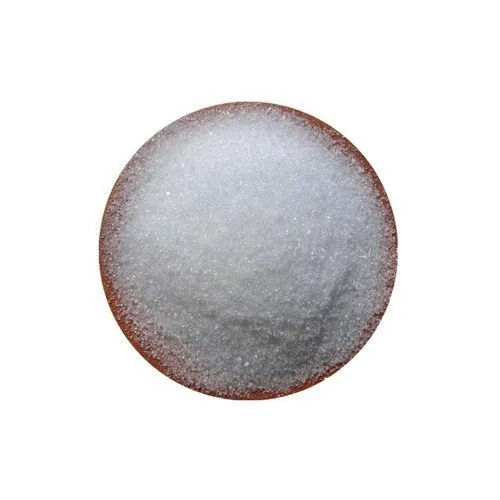
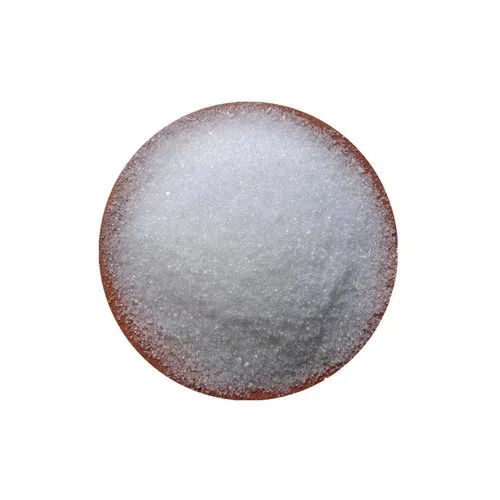
Long Shelf Life & Simple StorageWith a shelf life of up to 24 months and reliable stability in cool, dry conditions, hydrogel polymers are convenient to store and handle. Their granular/crystal form and high moisture retention make them a practical solution for large-scale and small-scale users alike, with packaging options such as 25 kg bags for easy bulk management.
FAQ's of Hydrogel Polymers:
Q: How do hydrogel polymers retain water and improve soil moisture retention?
A: Hydrogel polymers absorb and hold water by swelling into a gel-like structure, increasing many times their dry volume. Once incorporated into soil, they slowly release water to plant roots as the soil dries, significantly increasing moisture availability over 3-5 years.
Q: What is the recommended process for applying hydrogel polymers to soil?
A: To apply, simply mix the hydrogel granules or crystals evenly with soil during planting or top-dressing. Hydrate them with water, where they dissolve in 3-10 minutes and reach full swelling in 10 seconds. Usage rates depend on crop type and soil conditions.
Q: When should I use hydrogel polymers in agriculture or gardening?
A: These polymers are best applied during planting, transplanting, or lawn establishment. They are especially useful during dry seasons or in areas with irregular rainfall, helping reduce watering frequency and supporting plant growth.
Q: Where can hydrogel polymers be used most effectively?
A: Hydrogel polymers are highly effective in agricultural fields, gardens, landscaping projects, potted plants, nurseries, and even golf courses. Their compatibility with most fertilizers adds versatility across horticultural and soil moisture conservation applications.
Q: What are the primary benefits of using this anionic super absorbent polymer in soil?
A: Their benefits include enhanced plant growth, reduced irrigation needs, prevention of water runoff, and improved resilience against drought. They are non-toxic, environmentally safe, and operate across a wide temperature range (-10C to 100C).
Q: Are hydrogel polymers compatible with all fertilizers and soil types?
A: Yes, these anionic hydrogel polymers are generally compatible with most fertilizer types and common soil compositions, thanks to their neutral pH (6-7) and chemical stability.
Q: How should hydrogel polymers be stored to retain maximum effectiveness?
A: Store the polymers in a cool, dry location, away from direct sunlight and moisture exposure. When kept under recommended storage conditions, they maintain their efficacy for up to 24 months.



 Chat with us



 Send Inquiry


 Send Inquiry
 Send Inquiry
 Send SMS


